
What is Squint in Children?
Squint, also called strabismus, is when a child’s eyes do not look in the same direction. Sometimes, one eye may turn in, out, up, or down. This condition can affect children of any age. However, it is most common in young kids. Squint can make it hard for both eyes to work together. As a result, vision problems may develop if not treated early.
Why Early Detection and Treatment Matter
Early intervention for squint is very important. When parents act quickly, children have a better chance of healthy vision. According to the World Health Organization (WHO), untreated squint can lead to lazy eye or permanent vision loss. Therefore, early treatment helps prevent these problems. It also supports your child’s learning and social skills.
Symptoms and Signs Parents Should Watch For
It is not always easy to spot a squint in children. Still, parents should look for these signs:
If you notice any of these, it is wise to see an eye doctor soon.
Diagnosis: How Squint is Identified in Kids
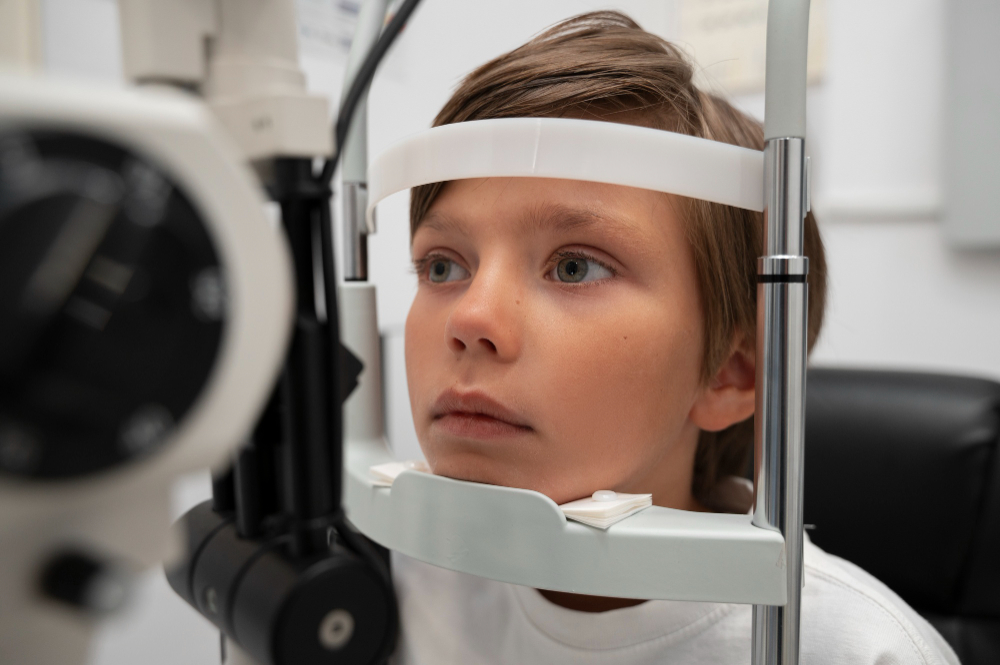
Doctors use several tests to check for squint in children. First, they will ask about your child’s health and vision history. Next, they will examine how your child’s eyes move. Sometimes, special drops are used to widen the pupils. This helps the doctor see inside the eyes better. In some cases, more tests may be needed to check for other eye problems. Early diagnosis makes treatment easier and more effective.
Treatment Options: Focus on Squint Surgery
There are different ways to treat squint in kids. The right choice depends on the child’s age and the type of squint. Common treatments include:
For many children, squint surgery is the best option. It helps align the eyes so they work together. Pediatric squint treatment is safe and often gives good results.
Benefits of Early Squint Surgery in Kids
Early squint surgery in kids offers many benefits. For example, it can:
Because of these benefits, doctors recommend early action for children’s eye health.
Risks of Delaying Treatment
Delaying squint treatment can cause problems. For instance, the weaker eye may stop working well. This is called amblyopia or lazy eye. Over time, the brain may ignore signals from the weaker eye. As a result, vision loss can become permanent. Also, children may struggle with reading, sports, and making friends. Early intervention for squint helps avoid these risks.
What to Expect Before, During, and After Surgery
Before surgery, your child will have a full eye exam. The doctor will explain the procedure and answer your questions. On the day of surgery, your child will get medicine to sleep during the operation. The surgeon will adjust the eye muscles so the eyes line up. Most surgeries take less than an hour. After surgery, your child may feel mild discomfort or redness. Usually, children recover quickly and can go home the same day. Follow-up visits help ensure the eyes heal well.
Tips for Parents: Supporting Your Child’s Recovery
After squint surgery, parents play a key role in recovery. Here are some tips:
With your support, your child can heal faster and enjoy better vision.
Prevention and Eye Health Tips for Children
While not all squints can be prevented, you can help protect your child’s eyes. For example:
Good eye care habits support healthy vision for life.
In summary, squint surgery in kids can significantly improve eye alignment, vision development, and overall confidence—especially when done early. If you notice any signs of a squint, it’s important not to delay evaluation.
For personalised guidance and timely intervention, consult the paediatric ophthalmologists at Om Netra Kendra & Laser Vision. Their specialists provide accurate diagnosis, child-friendly eye care, and expert advice on the right time for squint surgery.
Early intervention leads to better vision outcomes—book your child’s eye check-up today.